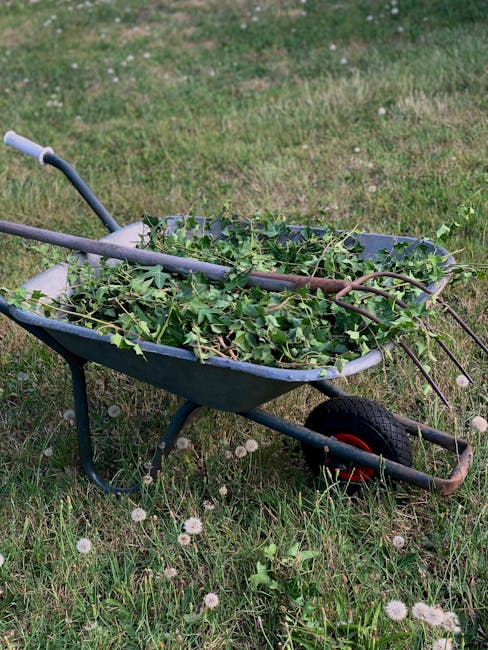
Blackwall Tunnel emergency garden cleanup same day gardeners: fast help when the garden can't wait
If your garden has tipped into chaos after a storm, a tenant handover, or a last-minute event, you do not need a lecture - you need practical help, and you need it today. That is exactly where Blackwall Tunnel emergency garden cleanup same day gardeners come in. The idea is simple: get an experienced team to Blackwall quickly, clear the mess safely, and leave the space usable again without the long wait that normal scheduling often brings.
This guide explains how urgent garden cleanups work, what a same-day team can realistically handle, where the value really lies, and how to judge whether you need a quick tidy or a more involved reset. Truth be told, most emergency jobs are not "garden design" problems at all. They are time-sensitive access, safety, and damage-control problems. And those need a different response.
Along the way, you'll find a practical step-by-step approach, a comparison table, a useful checklist, and a few real-world examples from the sort of situations people in London often run into. If your outdoor space is blocked, messy, unsafe, or simply embarrassing, this article should help you decide what to do next.
Contents
- Why Blackwall Tunnel emergency garden cleanup same day gardeners Matters
- How Blackwall Tunnel emergency garden cleanup same day gardeners Works
- Key Benefits and Practical Advantages
- Who This Is For and When It Makes Sense
- Step-by-Step Guidance
- Expert Tips for Better Results
- Common Mistakes to Avoid
- Tools, Resources and Recommendations
- Law, Compliance, Standards, or Best Practice
- Options, Methods, or Comparison Table
- Case Study or Real-World Example
- Practical Checklist
- Conclusion
- Frequently Asked Questions
Why Blackwall Tunnel emergency garden cleanup same day gardeners Matters
Urgent garden cleanup is not just about appearances. In a dense London setting, an overgrown or storm-damaged garden can become a genuine nuisance very quickly. Fallen branches can block access, slippery paths can create hazards, and a neglected boundary can make a property feel exposed or unwelcoming. If you are near the Blackwall Tunnel corridor, speed matters even more because traffic, access, and timing can make short-notice property work awkward. You really feel that pinch when you need something done before dusk, before a move-out inspection, or before guests arrive.
Same day gardeners are valuable because they stop a small issue turning into a bigger one. A broken fence panel, a tree limb resting on a shed, ivy climbing into gutters, or a patio covered in wet debris can all get worse if left alone. In wet weather, especially, a quick response can prevent staining, rotting, trip hazards, and extra cleanup later. Nobody wants to spend a weekend fighting brambles when a professional team could have cleared the worst of it in a single visit.
There is also peace of mind. An emergency cleanup team is usually working with a clear priority: stabilise, clear, tidy, and make the garden safe enough to use. That matters for landlords, homeowners, letting agents, and families alike. If you need a broader garden reset after the immediate mess is gone, it can be sensible to follow up with ongoing garden maintenance so the space does not drift straight back into disorder.
How Blackwall Tunnel emergency garden cleanup same day gardeners Works
Most same day garden cleanup jobs follow a fairly practical flow. There is usually no drama, just a fast assessment and a focused plan. The best teams do not arrive trying to reinvent the garden. They arrive to solve the problem in front of them.
First, you explain what has happened. That might be storm damage, excess green waste, a build-up of weeds, broken branches, fence debris, rubbish left behind, or simply a garden that has been neglected for too long. A good team will ask a few pointed questions: Is the site accessible? Are there sharp objects, standing water, or unsafe structures? Is this an immediate hazard or a visual cleanup before a deadline?
Next comes triage. The gardeners decide what needs to be tackled first. In an emergency, that usually means removing anything dangerous or obstructive before moving on to tidy-up work. If a hedge has gone wild and is contributing to the problem, it may be dealt with as part of the same visit. For more controlled hedge work later, a dedicated service such as hedge trimming in Blackwall can be a logical follow-up.
Then the team gets to work. That may include:
- clearing branches, leaves, and loose debris
- cutting back overgrowth that blocks paths or gates
- weeding beds and hard edges
- collecting bagged waste and green cuttings
- spot-cleaning patios or access areas where dirt has built up
- checking for simple garden hazards such as unstable pots, split timber, or lifted edging
Finally, there is the disposal question. A proper same-day service should be clear about what happens to the waste, how much is taken, and whether there are any access limits. If the job involves a heavy amount of cuttings or mixed waste, it may be worth asking about patio cleaning or a wider clearance approach if the hard landscaping is also filthy and unsafe. Sometimes the garden needs more than a cut-back; it needs the whole area brought back to a usable baseline.
Key Benefits and Practical Advantages
The biggest benefit is obvious: speed. But there is more to it than fast arrival. A same-day cleanup can change the whole feel of a property in a matter of hours. One messy corner can make an entire home feel unfinished, while a clean and ordered space instantly looks calmer. That shift is surprisingly powerful, especially if you are dealing with visitors, tenants, a sale, or an event.
Here are the practical advantages people usually notice first:
- Safer access: paths, steps, gates, and edges are easier to use once debris and overgrowth are removed.
- Better presentation: even a basic tidy can make a tired garden look managed again.
- Less stress: you do not have to tackle sharp cuttings, mud, or tangled growth yourself.
- Faster next step: once the emergency is handled, it becomes easier to plan repairs or improvements.
- Reduced damage risk: clearing wet leaves, dragged branches, and blocked drains can help prevent follow-on issues.
There is a quiet benefit too: momentum. A badly overgrown garden can feel psychologically heavy. You keep looking at it, thinking "I'll deal with that later," and later never quite comes. A same-day team breaks that loop. One visit, a visible difference, done. It sounds simple, and honestly it often is.
For people who want to avoid that cycle long-term, a structured service such as lawn care or lawn mowing can be the sensible maintenance layer after the urgent work is complete.
Who This Is For and When It Makes Sense
Same-day emergency cleanup is not for every situation. If the garden simply looks a bit tired, a planned appointment is usually enough. But if time, safety, or access is at stake, this kind of service makes real sense.
You may need it if you are:
- a homeowner dealing with storm blowdown or broken branches
- a landlord preparing for a tenancy changeover
- a letting agent needing a property presentable at short notice
- a family facing a one-off build-up of weeds and debris before an event
- someone who has fallen behind on upkeep and now needs a reset fast
- a business or shared-property manager handling an exterior area that has become unsafe
It also makes sense after periods of bad weather. A windy spell can scatter twigs, damage light planting, and shove rubbish into corners where it collects. If you have already seen your garden struggle with the weather, it may help to read about preparing gardens for severe weather challenges so the next cleanup is less of an emergency.
Not every job needs a full redesign. Sometimes the smartest move is just to restore order, then decide what the garden needs next. That's the calm way to do it, and to be fair, it saves money too.
Step-by-Step Guidance
If you are arranging an urgent visit, a little preparation goes a long way. It can shave time off the job, reduce confusion, and make sure the team starts on the right part of the garden.
- Walk the garden first. Note the worst areas, anything broken, and any access problems.
- Separate urgent hazards. If there are loose glass, sharp metal, or unstable items, make that clear immediately.
- Decide what must go. Some people want a full clearance; others only want debris removed and key edges restored.
- Take quick photos. Handy for your own record, especially if you are a landlord or managing a property handover.
- Clear access routes. Move cars, bins, bikes, and anything else blocking the main path into the garden.
- Ask about waste handling. Confirm whether green waste, mixed waste, and heavier items are being removed.
- Check the finish. Once the job is done, walk through the space and make sure the important bits are resolved.
That last step matters more than people think. You do not need perfection from an emergency cleanup. You need the right priorities handled properly. If a team spends too much time polishing one border while the main path remains blocked, something has gone sideways.
After the urgent part is complete, a more measured improvement plan can follow. Many readers start with a general tidy, then move into the bigger picture with ideas from revamping an overlooked garden. That is often the sensible route - stabilise first, improve second.
Expert Tips for Better Results
In our experience, the best emergency cleanups are the ones where the homeowner gives clear direction but does not try to micromanage every cut and sweep. That balance is harder than it sounds. You want enough detail to set priorities, but not so much that the team wastes time waiting for instructions every five minutes.
Here are a few practical tips that usually help:
- Be specific about the deadline. "Same day" can mean different things if there is a school run, a tenancy check, or a dinner party on the line.
- Flag any fragile areas. Newly planted beds, soft turf, decorative gravel, and shallow drainage features need a lighter touch.
- Think in zones. Prioritise access first, then visibility, then tidy detail.
- Ask for photos after the job. Useful if you are not on site or if the property is managed remotely.
- Make room for follow-up care. Emergency cleanup is not always the end of the story, just the moment the garden becomes workable again.
If privacy is part of the issue - maybe the garden has become so overgrown that it is spilling into sightlines or exposing boundaries - later improvement work may include screening planting or hedge management. A helpful companion read is rapid-growth hedge varieties for privacy, which is useful if you want a greener long-term fix.
And yes, it is okay to ask a question that feels a bit obvious. "Can you actually get this done today?" is not rude. It is sensible. Better to know now than at 5pm when the garden still looks like a wind tunnel had a bad day.
Common Mistakes to Avoid
Emergency garden work is where small mistakes become expensive. The most common one is under-explaining the job. People say, "It's just a quick tidy," when actually the gate is blocked, the path is slippery, and there are two wheelie bins worth of branches lying across the lawn. That mismatch slows everyone down.
Other mistakes to avoid:
- Booking too late. If you have a deadline, do not leave the call until the last minute.
- Assuming all waste is the same. Green waste, mixed waste, and awkward bulky items may be treated differently.
- Ignoring access. Narrow side passages, locked gates, and shared entrances can all affect how fast work gets done.
- Expecting a full makeover from an emergency visit. Cleanup restores order; it does not automatically rebuild the whole garden.
- Leaving hidden hazards in place. Old nails, broken edging, and unstable planters are easy to miss and annoying to trip over later.
A quieter mistake is not planning the follow-up. A one-off clearance is helpful, but without maintenance or improvement work the same issues creep back. If the lawn is patchy and the garden feels tired, then a broader service path like regular garden maintenance can keep things under control.
Tools, Resources and Recommendations
You do not need to be a garden expert to understand what good emergency cleanup work involves. But it helps to know the sorts of tools and methods a professional team may use. That way, you can judge whether the work is being approached properly.
Common tools and resources include:
- hand shears and loppers for controlled cutting
- hedge trimmers for quicker reduction of dense growth
- rakes, brooms, and blowers for surface clearing
- heavy-duty bags or bins for green waste collection
- gloves, eye protection, and sturdy footwear for safer handling
- spades, forks, and edging tools for reclaiming paths and borders
For your own preparation, a simple smartphone camera is useful. It helps document the condition before and after the visit, which is especially practical for landlords or anyone managing a property at a distance. If you want to think ahead about what a properly equipped gardener should bring, this article on essential gardening tools is a useful companion.
For longer-term sustainability, composting or waste reduction can help too. Organic material from garden work does not have to be treated as a nuisance if it can be reused properly. See organic waste solutions for richer soil for practical ideas on making green waste work harder for your garden later on.
Law, Compliance, Standards, or Best Practice
Emergency garden cleanup is usually straightforward, but it still sits within a broader framework of responsible work. In the UK, good practice means working safely, handling waste properly, and avoiding damage to neighbouring property or shared access routes. That may sound basic. It is basic. And yet basic is exactly where a lot of problems begin.
From a professional point of view, a reputable team should be clear about insurance, safety procedures, waste handling, and how they protect people and property while working. If tools are used near boundaries, paths, or structures, care matters. If heavy debris is moved through communal space, courtesy matters too. In London, that sort of thing can make the difference between a smooth job and a very grumpy afternoon.
It is also reasonable to ask how the company handles complaints, payments, and safety. A transparent setup is a sign of maturity, not bureaucracy. You can look through the site's insurance and safety information, along with the health and safety policy, payment and security guidance, and terms and conditions if you want a clearer picture of how the service is framed.
For added transparency, it can also help to review pricing and quotes information before you book, so the emergency call does not become a guessing game. Nobody enjoys surprise costs. Not in gardening, not anywhere, really.
Options, Methods, or Comparison Table
Not every garden problem needs the same response. Sometimes a quick clearance is enough; sometimes you need a more structured cleanup; sometimes the job crosses into repair or improvement. This comparison should help you choose the right level of help.
| Option | Best for | Typical strength | Possible limitation |
|---|---|---|---|
| Same-day emergency cleanup | Storm debris, access issues, urgent tidying, event prep | Fastest response and immediate visible improvement | Usually focused on clearing, not redesign |
| Routine garden maintenance | Ongoing upkeep, seasonal tidying, regular control of growth | Keeps the garden manageable before it becomes a problem | Less useful when the site is already in a poor state |
| Hedge and boundary work | Overgrown screening, privacy issues, shaping and reduction | Good for restoring structure and kerb appeal | May not solve broader mess on lawns or paths |
| Full landscaping or redesign | Worn-out gardens that need a fresh layout | Best long-term transformation | Not a same-day fix in most cases |
If your problem is mainly visibility, shape, or broken structure rather than general mess, a service like general gardening services or landscaping support may be more appropriate after the emergency phase. If the issue involves trees or branches overhanging a structure, then tree surgery is the safer conversation to have.
Case Study or Real-World Example
Here's a very typical sort of job. A small rental property near the Blackwall area has a back garden that looked manageable a month ago and now, after heavy rain and a few windy days, looks very different. Leaves have gathered around the path, a branch has fallen near the fence, and weeds have shot up along the edges. The next tenant viewing is booked for the afternoon. Not ideal, to put it mildly.
The same-day response is not about making the garden beautiful. It is about making it presentable and safe. The team clears the branch, removes loose debris, cuts back the worst of the overgrowth, and tidies the path so people can walk through without muddy shoes and awkward apologies. A light patio clean might follow if the hard surface is visibly dirty. The whole area feels calmer at once, and the property stops looking neglected.
That kind of result is often enough to protect a viewing, reduce stress for the landlord, and keep the property moving. Later, once the emergency has passed, the owner can decide whether to upgrade planting, improve screening, or book more regular upkeep. A good starting point for longer-term thinking is the spring planting preparation guide, which is useful if the garden is going to be refreshed rather than merely maintained.
Sometimes the most useful garden job is the one that stops embarrassment in its tracks. Simple as that.
Practical Checklist
Before the gardeners arrive, use this quick checklist. It saves time and reduces back-and-forth.
- Describe the urgent issue clearly. Say what happened and what needs attention first.
- Confirm access. Gates, side passages, parking, and entry details should be ready.
- Identify hazards. Mention broken glass, sharp edges, unstable items, or hidden debris.
- Decide the priority areas. Pathways, entrances, patios, and boundaries usually come first.
- Move small valuables or delicate items. Pots, ornaments, and lightweight furniture are best kept out of the way.
- Ask about waste removal. Make sure you know what will be taken away.
- Check whether extra services might help. Patio cleaning, hedge work, or lawn care may be worth adding.
- Plan the next visit. If the garden has been neglected for a while, set a follow-up before it slips again.
Quick takeaway: the best emergency cleanup is focused, safe, and practical. It clears the immediate problem, gives you breathing space, and makes the garden usable again without fuss.
Get a free quote today and see how much you can save.
Conclusion
When a garden needs urgent attention, the goal is not perfection. It is relief. It is getting from "this is getting out of hand" to "right, we can work with this now." Blackwall Tunnel emergency garden cleanup same day gardeners are built for exactly that moment: when the weather has been rough, the timeline is tight, and the outdoor space has become a problem you can't ignore any longer.
The real value lies in speed, judgement, and the ability to handle the mess without making the day harder for you. If the job is handled well, the whole property feels lighter. Safer. More usable. And that breathing room matters. It really does.
Once the immediate cleanup is done, you can take your time with the rest - and that is often the point where a garden starts feeling like yours again.
Frequently Asked Questions
What counts as an emergency garden cleanup?
An emergency cleanup usually means urgent work needed to remove hazards, restore access, or make a garden presentable quickly. Storm damage, blocked paths, broken branches, and severe overgrowth are common examples.
Can same day gardeners really arrive on the day I call?
Often, yes, if the schedule, location, and job size allow it. Same-day work is best requested early and described clearly so the team can judge travel time and workload.
What should I tell the gardener before they arrive?
Explain the main issue, the deadline, any hazards, and how the space can be accessed. A few precise details are far better than a vague "the garden is messy."
Do emergency cleanup teams remove garden waste?
Usually they do, but the exact amount and type of waste should be confirmed in advance. Green waste, mixed debris, and bulky items may be handled differently.
Is a same-day cleanup the same as garden maintenance?
No. Emergency cleanup is about fast recovery from a problem. Garden maintenance is the ongoing work that keeps the space manageable after the urgent issue has been dealt with.
Will a cleanup also fix damaged fences or trees?
Not always. Some issues may be cleared temporarily, but structural damage often needs specialist follow-up such as fencing work or tree surgery.
How do I know if I need hedge trimming as well?
If the hedge is contributing to blockage, privacy loss, or heavy overgrowth, then it may be worth including. If you want a more shaped finish later, hedge work is usually best handled as a separate task.
Can emergency cleanup help before a property viewing or event?
Yes, and that is one of the most common reasons people book it. A quick tidy can dramatically improve how a property feels to visitors, even if the garden is not fully transformed.
What if my garden is too messy for one visit?
Then the work can usually be split into priorities: access first, debris second, surface tidying third, and longer-term improvements later. That is often the most realistic approach.
Are there safety issues I should worry about before the team arrives?
Yes. Loose glass, sharp metal, unstable items, and slippery surfaces should all be mentioned. If something looks risky, say so. It helps the gardeners prepare properly.
How do I make the garden easier to manage after an emergency cleanup?
Start with a maintenance plan, then tackle weak spots like lawns, borders, or hedge growth. A follow-up schedule is the easiest way to stop the same mess from returning too soon.
Where can I find more information about the service and policies?
You can review the site's pages on about us, pricing and quotes, complaints procedure, and contact details for practical next steps and service guidance.