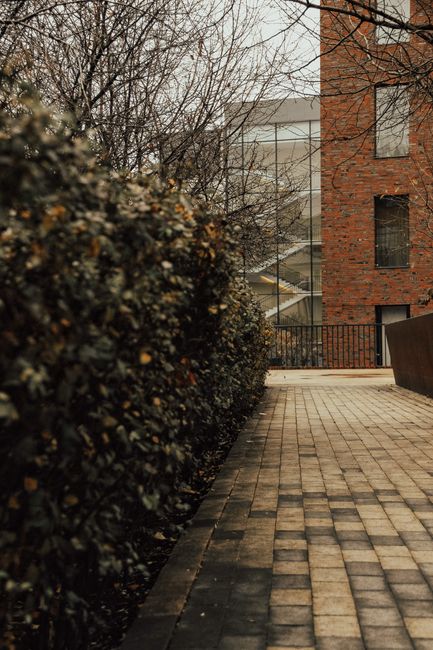
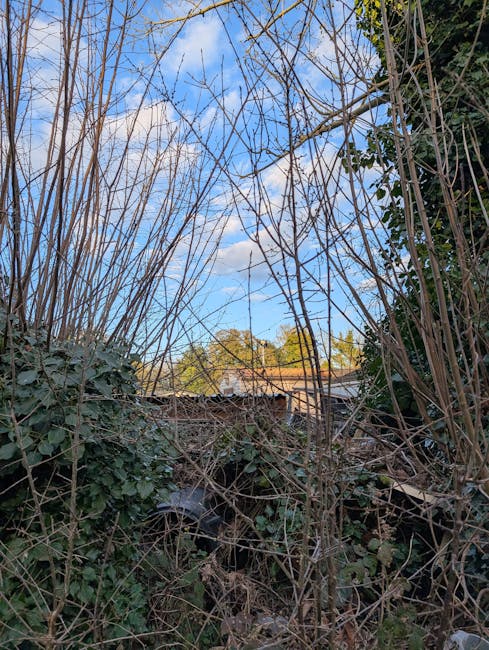
East India Dock Road Garden Clearance by Blackwall Gardeners: A Practical, Local Guide
If your outdoor space on or near East India Dock Road has become cluttered with brambles, broken pots, old turf, ivy, or a builder's leftover mess, you are not alone. Garden clearance can feel a bit overwhelming at first, especially in a busy London setting where space is tight and access can be awkward. East India Dock Road garden clearance by Blackwall gardeners is designed to take that burden off your shoulders and turn an overgrown, messy, or neglected garden back into a usable space.
In this guide, we'll walk through what garden clearance involves, how it typically works, what you gain from it, and the common mistakes people make when trying to tackle it themselves. We'll also cover practical preparation, compliance considerations, and how to decide whether you need clearance, ongoing maintenance, or a broader garden reset. To be fair, sometimes the hard part is simply knowing where to start.
For readers who want to explore wider help beyond a one-off clearance, the team also provides useful related support through garden services in Blackwall and longer-term garden maintenance options.
Table of Contents
- Why East India Dock Road garden clearance by Blackwall gardeners matters
- How East India Dock Road garden clearance by Blackwall gardeners works
- Key benefits and practical advantages
- Who this is for and when it makes sense
- Step-by-step guidance
- Expert tips for better results
- Common mistakes to avoid
- Tools, resources and recommendations
- Law, compliance, standards, or best practice
- Options, methods, or comparison table
- Case study or real-world example
- Practical checklist
- Conclusion
- Frequently asked questions
Why East India Dock Road garden clearance by Blackwall gardeners Matters
Garden clearance is more than just "tidying up." In a place like East India Dock Road, where homes, access routes, and outdoor spaces can be compact and fast-moving, a neglected garden can quickly start to affect daily life. It may block light, attract pests, make the area harder to use, and create that slightly defeated feeling every time you look out of the window.
Clearance matters because gardens are living spaces. Even when they've gone wild, there is usually structure underneath it all. A professional clearance helps uncover the bones of the garden again: the paths, borders, lawn edges, hard landscaping, and any plants worth keeping. Once you can actually see the layout, decisions become easier. That alone can be a relief.
There's also the practical side. Overgrown growth can hide broken paving, loose fence panels, slippery surfaces, and drainage issues. If you leave it too long, a small job often becomes a bigger one. We've all seen that garden where a bit of ivy quietly becomes a full-time resident. It happens.
On the positive side, clearing a garden can make room for new planting, improved privacy, seating areas, or a lower-maintenance design. If you're planning a reset, useful reading like how to approach an overlooked garden and low-maintenance garden ideas on a budget can help you think beyond the immediate mess.
How East India Dock Road garden clearance by Blackwall gardeners Works
A proper garden clearance usually begins with a walk-through and a conversation. The aim is to understand what needs removing, what should stay, and whether the job is a one-off clearance or part of a larger improvement plan. This stage matters more than people think. A fast, rough clear-out can save time today and cause regrets tomorrow.
In a typical clearance, the team may:
- remove weeds, brambles, ivy, and self-seeded growth
- cut back overgrown shrubs and unwanted vegetation
- lift and remove dead plants, roots, or damaged planting
- clear green waste, branches, and general garden debris
- tidy borders, paths, and hard-to-reach corners
- prepare the space for mowing, replanting, or landscaping
Depending on the state of the garden, the work can be light, moderate, or full-scale. A small courtyard that has been ignored for a season is very different from a rear garden that has been left for years. The point is not to make assumptions. It's to assess honestly and work from there.
After the clearance, there is often a second stage: removing the waste responsibly, checking the remaining structure, and advising on next steps. Some gardens benefit from immediate follow-on tasks such as hedge reduction, lawn recovery, or patio cleaning. If you're thinking about a broader outdoor refresh, the related services on patio cleaning and lawn care may also be relevant.
Key Benefits and Practical Advantages
Garden clearance delivers more value than many people expect. Yes, the space looks better straight away, but the real benefits are often practical and long-lasting.
1. You get your space back
An overgrown garden can feel smaller than it actually is. Once the clutter is removed, the true size and shape of the area come back into view. That makes it easier to plan a seating corner, planting scheme, play area, or simply a cleaner, calmer outdoor space.
2. It reduces stress and maintenance
When a garden is choked with weeds and debris, every task takes longer. Mowing becomes awkward, watering is patchy, and access is frustrating. A well-done clearance gives you a fresh start and often reduces the amount of ongoing work needed.
3. It helps protect plants you want to keep
Sometimes the garden looks beyond saving, but there are still valuable shrubs, bulbs, climbers, or herbs tucked inside the tangle. A careful clearance preserves the good stuff while removing the rest. That's where a local, experienced pair of eyes is useful.
4. It improves safety
Loose branches, hidden holes, slippery moss, old timber, rusted fixtures, and uneven stepping stones can all become hazards. If children, pets, or older relatives use the garden, this matters even more. For households that need a safer layout, it may be worth exploring safer garden planning for children or even a reset guided by family-friendly garden ideas.
5. It prepares the garden for future improvements
Clearance is often the first proper step before any redesign. Without it, landscaping, turfing, hedge trimming, or planting is hard to do properly. Think of it like opening the curtains before decorating a room. You need the space cleared before the good ideas can breathe.
Expert summary: If a garden has become hard to use, unclear to walk through, or too time-consuming to maintain, a professional clearance is usually the fastest way to restore control and create a usable base for the next stage.
Who This Is For and When It Makes Sense
This kind of garden clearance is a strong fit for a few common situations. If you recognise yourself in one of these, you're probably due for at least an assessment.
- Homeowners dealing with overgrowth after months of not getting around to the garden
- Landlords or property managers preparing a rental for new occupants
- Busy families who want the garden safe and usable without spending every weekend on it
- People selling a property and wanting the outside to look more cared for
- New homeowners who have inherited a neglected garden and need a fresh start
- Older residents who no longer want heavy clearance work on their own
It also makes sense after storm damage, before a growing season, or when invasive growth has become a recurring problem. If ivy is wrapping itself around fences or sheds, or climbers have taken over more than their fair share, a targeted clearance may need to be paired with advice from our ivy removal guide or shade-loving climber ideas to avoid the same mess returning.
And if you're wondering whether it is "bad enough" yet, here's the honest answer: if you're avoiding the garden because it feels overwhelming, that's usually enough of a signal.
Step-by-Step Guidance
Here's how a sensible clearance process usually unfolds. You can use this as a planning guide, even if you're only doing part of the work yourself.
- Assess the space
Walk the whole garden and note what is overgrown, what is broken, what should be saved, and where access is difficult. Take a few photos. It sounds obvious, but pictures make planning much clearer.
- Separate keepers from removals
Mark out plants, ornaments, furniture, or features you want to preserve. A little spray chalk or a simple list can prevent accidental damage. People do this less than they should.
- Remove loose waste first
Pick up branches, pots, bags, broken timber, and general debris so the actual clearance work is easier. This also reveals what lies underneath the surface growth.
- Cut back the heavy growth
Brambles, ivy, long grass, and tangled shrubs are usually tackled next. The aim is to open the space without shocking or stripping out plants that still have a place in the garden.
- Deal with roots and stubborn regrowth
Some weeds and climbers return quickly unless roots are properly handled. This is where experience matters; it saves you doing the same job again in a few weeks.
- Load, sort, and remove waste
Green waste, soil, and general rubbish should be separated where appropriate. A neat finish is not just about appearance; it helps with future maintenance too.
- Finish with a reset plan
Once the area is clear, decide on the next step: lawn recovery, replanting, hedge shaping, or perhaps a low-maintenance design. If you want a seasonal restart, spring garden preparation advice is a useful follow-up.
Some gardens can be transformed in one day. Others need a phased approach. There's no shame in that. Better to do it properly than rush and make the garden harder to manage later.
Expert Tips for Better Results
A few practical habits make a noticeable difference to clearance work, especially in dense urban gardens.
- Start at the edges. Borders, fence lines, and hidden corners often reveal the true scale of the job.
- Work from top to bottom. Tall growth first, ground clutter second. It stops you tripping over the same debris twice.
- Watch for hidden damage. Rotten sleepers, loose paving, broken edging, or damp patches often hide under growth.
- Keep a "save" pile. Healthy plants that can be rescued should not get mixed in with waste.
- Think about weather. Wet soil and slippery surfaces make clearance harder and can create avoidable mess.
- Plan for what happens next. If you do not want the garden to bounce back into chaos, follow the clearance with maintenance or replanting.
In our experience, the gardens that stay improved are the ones where the owner makes one or two clear decisions after the tidy-up. Maybe it's "keep the lawn simple," or "replace the weedy border with ground cover." That choice matters more than most people expect. If you're weighing design options, ground cover ideas and calmer garden styling tips can be surprisingly useful.
A small aside: the garden rarely gets magically easy by itself. Annoying, but true.
Common Mistakes to Avoid
Garden clearance seems straightforward until you're halfway through and realise the pile is bigger than the plan. These are the mistakes that usually cause trouble.
Leaving the waste handling until the end
If you wait too long to think about disposal, you may run out of room or end up damaging the rest of the garden trying to store cuttings. Waste planning is part of the job, not an afterthought.
Cutting everything down at once
It's tempting to grab the nearest tool and go hard. But if there are plants worth preserving, a reckless cut can undo a lot of value. Slow down first. Look twice, cut once.
Ignoring root systems
Surface cutting may look tidy for a week or two, then the same weeds and climbers return. Proper clearance often means root-level treatment or removal.
Overlooking access and safety
Narrow side passages, sheds, locked gates, and uneven surfaces can make a clearance awkward. If access is tight, the job should be planned around that rather than improvised.
Not checking for hidden issues
Old fencing, unstable tree limbs, pond edges, drainage problems, and decay can all be hidden by overgrowth. If you notice something suspicious, it may be worth looking at tree surgery support or fencing help as part of the wider solution.
Stopping at "tidy" instead of "ready"
A garden can look clearer but still not be ready for use. If the goal is a functional outdoor space, ask what the next step is: mowing, replanting, levelling, or maybe just a really decent clean-up.
Tools, Resources and Recommendations
Good clearance work relies on the right equipment, but you do not need to overcomplicate it. The best tools are the ones suited to the scale of the job, the type of growth, and the access available.
| Task | Useful tools | Why they help |
|---|---|---|
| Brambles and thick stems | Heavy-duty loppers, pruning saw, gloves | Lets you remove dense growth without tearing the rest of the garden apart |
| Weed and border clear-up | Hand fork, hoe, spade, kneeler | Works well for detail areas and around roots |
| Green waste handling | Tarps, sacks, wheelbarrow, bins | Keeps the site organised and reduces repeated lifting |
| Large cut-back jobs | Hedge trimmer, secateurs, long-reach tools | Useful for layered growth and awkward upper areas |
| After-clearance recovery | Rake, mower, compost, soil improver | Helps the garden recover after the heavy work is done |
For people who want a gentler, more sustainable approach to what comes off the garden, organic waste and composting guidance can be a smart next read. It is a simple way to turn some of the cleanup into future soil health rather than just waste removal.
If your end goal is not only to clear but also to make the garden easier to live with, you may also want to look at practical weed control tips and budget-friendly low-maintenance concepts. Small changes add up.
Law, Compliance, Standards, or Best Practice
Garden clearance is usually straightforward, but it still needs to be handled responsibly. In UK garden work, good practice matters a lot: safe waste handling, sensible tool use, respect for neighbouring property, and careful treatment of trees, hedges, and boundary structures.
If the clearance involves tree work, large branch removal, or anything close to boundary lines, it is wise to be cautious. Trees can be protected or shared across boundaries, and overcutting can create disputes. For larger or uncertain jobs, tree-specific guidance is a sensible part of the process. Likewise, if a fence panel is unstable or a hedge has become a boundary issue, those elements should be treated carefully rather than hacked back in a hurry.
Waste should be handled with care too. Garden debris, mixed rubbish, and potentially contaminated material should not just be dumped casually. Responsible disposal is part of a professional standard, as are sensible working habits such as protective gloves, eye protection where needed, and stable footing on uneven ground. If you like to know how a provider approaches these basics, pages like health and safety policy details, insurance and safety information, and payment and security are worth reviewing.
One more thing: if you are ever unsure about access, shared boundaries, or whether a particular plant should be removed, pause and ask. That small pause can save a proper headache later.
Options, Methods, or Comparison Table
Not every garden needs the same level of intervention. Here is a practical comparison that may help you decide what fits your situation best.
| Approach | Best for | Pros | Limitations |
|---|---|---|---|
| Light tidy clearance | Minor seasonal overgrowth | Quick, affordable, restores basic order | May not deal with deep roots or hidden problems |
| Full garden clearance | Heavily neglected spaces | Resets the whole area and reveals structure | More labour, more waste, more planning required |
| Clearance plus maintenance | Gardens that need ongoing control | Keeps the space usable long-term | Requires regular visits rather than one-off work |
| Clearance plus redesign | Gardens being transformed | Creates a proper new starting point | Takes the most planning and usually a bigger budget |
For many East India Dock Road properties, the most efficient option is often a clearance followed by a simple maintenance plan. That can mean hedge shaping, mowing, or a few well-chosen planting changes. If privacy is a concern after the clear-out, fast-growing hedge varieties for privacy can help you think ahead before the garden feels too open.
Case Study or Real-World Example
Here is a realistic example from the sort of work local gardeners regularly encounter.
A narrow back garden near East India Dock Road has been left for two growing seasons. The lawn is patchy and unreachable, the fence line is buried behind ivy, and old plant pots have accumulated near the shed. The owner wants the space cleared before summer, but also wants to keep a few mature shrubs and make room for a small sitting area.
The first stage is a careful assessment. The climbers are identified, the shrubs worth saving are marked, and the old debris is separated from the live growth. The next stage is a methodical cut-back, starting with the fence line and working inward. Once the overgrowth is lifted, hidden issues appear: one damaged panel, a few areas of compacted soil, and a thin section of paving that needs attention. Nothing dramatic, but enough to matter.
After the clearance, the garden suddenly feels usable again. Light reaches the border. The shed is visible. The lawn can be mown. The owner now has options: replant the border, extend the patio, or keep the garden simple and low maintenance. That is the real value. Not just "clean," but workable.
If that sounds familiar, you may also find it useful to look at where to begin with a neglected garden and ideas for turning open space into a retreat. Small design choices can completely change how a garden feels on a weekday evening.
Practical Checklist
Use this checklist before and after your clearance. It keeps the job grounded and saves a lot of back-and-forth.
- Identify what must be removed and what should stay
- Check for hidden hazards, broken edges, or unstable structures
- Confirm access for tools, waste bags, and removal
- Set aside any plants or items you want preserved
- Plan how green waste will be handled
- Think about the next stage after clearance
- Decide whether you need mowing, hedge work, or planting help
- Review the garden again after the work is done, not just during it
- Take photos so you can compare before and after
- Book maintenance if you do not want the space to slide back quickly
For the follow-up stage, the useful next steps often involve lawn mowing or a more general maintenance plan. Nothing fancy. Just the kind of steady work that keeps the garden manageable.
Conclusion
East India Dock Road garden clearance by Blackwall gardeners is really about restoring possibilities. It clears away the visual noise, reduces risk, and gives you a fresh start with the space outside your home. Whether you are dealing with a one-off overgrown patch or a garden that has slowly slipped out of control, a careful clearance makes the next decision much easier.
The smartest approach is usually not the most dramatic one. It is the one that clears properly, protects what matters, and leaves the garden ready for whatever comes next. A little structure goes a long way, honestly.
If you are ready to stop putting it off and want a cleaner, calmer outdoor space, now is the time to take the next step and speak with a local team who understands the area and the work involved. Learn more about the company if you want a sense of the people behind the service, then get in touch when you are ready.
Get a free quote today and see how much you can save.
Sometimes the best garden transformation begins with simply clearing the way.
Frequently Asked Questions
What does East India Dock Road garden clearance by Blackwall gardeners usually include?
It usually includes removing weeds, brambles, overgrowth, dead plants, debris, and other unwanted material, plus tidying the garden so it becomes usable again.
Is garden clearance the same as garden maintenance?
No. Clearance is the reset stage, while maintenance is the ongoing work that keeps the garden in good condition after the heavy lifting is done.
How long does a garden clearance take?
It depends on the size of the space, how overgrown it is, and whether there are access issues. A small garden may take a short visit, while neglected gardens often need more time.
Can I keep some plants during clearance?
Yes, and it is usually a good idea to do so. Healthy shrubs, climbers, or borders can often be preserved if they are identified before the work begins.
What happens to the waste after clearance?
Garden waste is normally sorted and removed responsibly. Green material, branches, and mixed debris should be handled separately where appropriate.
Do I need garden clearance before landscaping?
In most cases, yes. Clearance creates a clean base so landscaping, planting, or hard landscaping can be planned and installed properly.
What if the garden has ivy or stubborn climbers?
Those often need more than a quick cut. Ivy and similar climbers can regrow if roots or attachment points are not dealt with carefully.
Is clearance suitable for rental properties?
Absolutely. Landlords and property managers often use garden clearance to prepare a property for new tenants or to restore curb appeal.
Can garden clearance help with safety issues?
Yes. It can uncover hidden hazards such as broken paving, unstable fence panels, slippery areas, and overhanging growth that was not obvious before.
Should I book clearance in spring or autumn?
Both can be useful. Spring is ideal for preparing the space for growth, while autumn helps control debris and overgrowth before winter sets in.
What is the difference between a light tidy and a full clearance?
A light tidy handles smaller seasonal overgrowth, while a full clearance tackles heavy neglect, large volumes of waste, and more stubborn vegetation.
How do I know if I need a one-off job or regular help?
If the garden keeps slipping back into chaos after a few weeks, regular maintenance is usually the better choice. If it is a one-time mess, a clearance may be enough to reset things.
Can garden clearance improve the value of my property?
It can improve appearance, usability, and first impressions, which all matter when people view a property. It is not magic, but it definitely helps.
Where can I get more information before booking?
You can explore the wider service pages, including pricing and quotes, or use the contact page when you are ready to ask about your garden specifically.