Tower Hamlets garden rules Blackwall homeowners guide
If you own a garden in Blackwall, there is a good chance you have already bumped into at least one awkward question: can I trim that hedge, replace this fence, store garden waste there, or build a little seating area without causing a headache later? The Tower Hamlets garden rules Blackwall homeowners guide is about making those decisions with confidence. Not with guesswork, and not with the usual "I think it'll be fine" approach that tends to backfire on a rainy Tuesday.
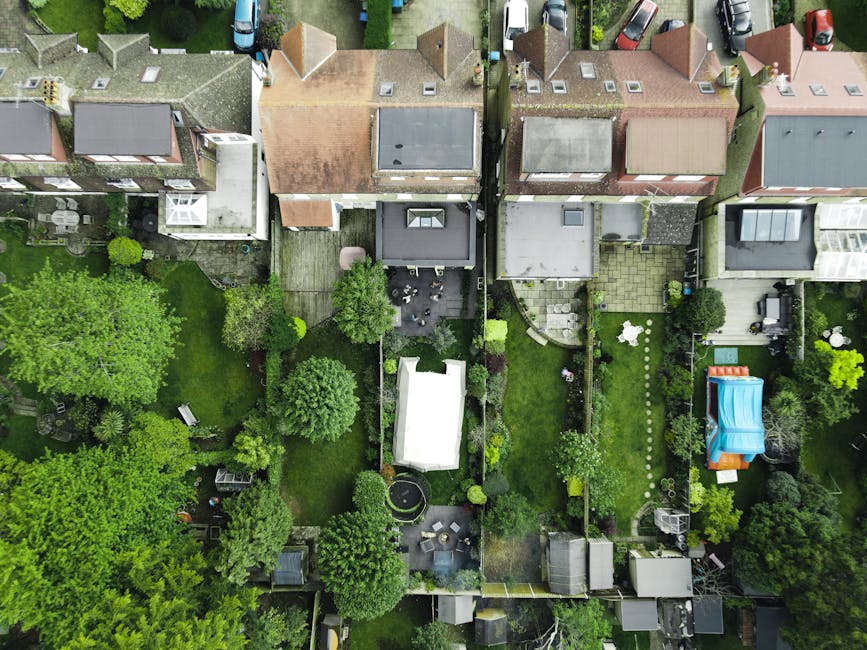
Blackwall gardens are often compact, shared, visible from neighbours, and shaped by the practical realities of London living. That means garden work is rarely just about plants. It can involve boundaries, access, safety, drainage, maintenance standards, privacy, and sometimes permission or consultation. This guide breaks it all down in plain English, so you can keep your outdoor space attractive, safe, and sensible without overcomplicating things.
Table of Contents
- Why Tower Hamlets garden rules Blackwall homeowners guide Matters
- How Tower Hamlets garden rules Blackwall homeowners guide Works
- Key Benefits and Practical Advantages
- Who This Is For and When It Makes Sense
- Step-by-Step Guidance
- Expert Tips for Better Results
- Common Mistakes to Avoid
- Tools, Resources and Recommendations
- Law, Compliance, Standards, or Best Practice
- Options, Methods, or Comparison Table
- Case Study or Real-World Example
- Practical Checklist
- Conclusion
- Frequently Asked Questions
Why Tower Hamlets garden rules Blackwall homeowners guide Matters
A lot of garden problems begin with small assumptions. A hedge gets left a little too long, a fence is replaced without checking the boundary line, or a pile of cuttings sits for weeks because there was "nowhere else to put it". In a dense part of East London like Blackwall, those small issues can quickly become neighbour disputes, access complaints, blocked drainage, or avoidable maintenance costs.
This matters because a garden is not just private space. It often sits within a wider set of responsibilities. You may need to think about how your work affects adjoining properties, shared walls, pathways, trees, and the public realm. Even a simple tidy-up can have knock-on effects if branches overhang, roots spread, or waste is not dealt with properly.
There is also a quality-of-life side to it. A well-kept garden can feel calm and restorative; a neglected one can feel stressful from the kitchen window alone. To be fair, most homeowners do not want a legal lecture. They want to know what is sensible, what is risky, and what will keep the space usable. That is exactly where a practical guide helps.
For residents who want the garden to look better without creating future problems, it is often worth pairing good planning with regular upkeep. If you are rebuilding a tired outdoor area, a service such as garden maintenance can help keep the work steady rather than reactive. And if your project includes long-term structure, the pages on landscaping and fencing are useful starting points for thinking about boundaries and layout.
How Tower Hamlets garden rules Blackwall homeowners guide Works
There is no single "garden rulebook" that covers every situation in one neat line. Instead, garden decisions in Blackwall tend to sit across a few layers: property responsibility, neighbour consideration, local planning or building expectations where relevant, and general safety or nuisance control. That sounds complicated, but in practice it mostly means asking a few sensible questions before you start digging, trimming, or building.
First, work out what kind of task you are planning. Routine maintenance is usually straightforward. Cutting grass, clearing weeds, pruning shrubs, and removing dead growth is normally a day-to-day homeowner duty. Bigger changes, such as new decking, tall fencing, substantial tree work, or structures that affect sightlines and drainage, deserve more checking. Not because every job needs permission, but because some do, and others need careful design to avoid future disputes.
Second, consider whether the work touches a boundary or shared space. Boundaries are where the trouble often begins. A fence may be yours to maintain, or it may sit on a boundary line that needs agreement. Overhanging branches are another classic issue. The general expectation is that you deal with your own growth responsibly and avoid simply dumping the problem over the fence, literally or figuratively.
Third, think about impact. Does the work create noise early in the morning? Will waste bins block a path? Could water runoff from hard landscaping affect a neighbour's garden? Could ivy or climbers spread to adjoining brickwork? These are small things on paper, but in the real world they matter. A neatly managed garden is often the one that has fewer surprises.
When the job is more involved, it helps to plan in stages. For example, if you are cleaning up a neglected plot, you might start with clearance, then hedge trimming, then lawn care, then planting. A decent way to prepare for that first pass is to read something like revamping an overlooked garden and weed control tips before you grab the tools. Small sequence. Big difference.
Key Benefits and Practical Advantages
Following garden rules and good practice is not about being fussy for the sake of it. It gives you real advantages, especially in a place like Blackwall where outdoor space is valuable and often visible.
- Fewer neighbour disputes: When hedges, fences, and overgrowth are handled properly, there is less room for friction.
- Better property presentation: A tidy garden often improves how the whole home feels, from the pavement right through to the back door.
- Lower maintenance costs over time: Regular care is usually cheaper than rescue work after everything has got out of hand.
- Safer outdoor use: Clear paths, stable surfaces, and sensible planting reduce trip hazards and awkward access points.
- More useful space: When the garden is planned with boundaries and upkeep in mind, you can actually use it rather than just manage it.
There is also a quieter benefit. You stop second-guessing yourself. That is worth a lot. A homeowner who understands the basics does not have to panic every time a branch grows over the line or a new bed needs edging. You make a decision, you move on, and the garden starts feeling like yours again.
If privacy is one of your biggest concerns, that should shape the layout early. Some homeowners choose planting rather than hard screening, while others need a stronger boundary. The guide to rapid growth hedge varieties is helpful if you want living privacy without turning the garden into a bunker. And if you need advice on maintenance, the dedicated page for hedge trimming in Blackwall is a practical next step.
Who This Is For and When It Makes Sense
This guide is for homeowners, leaseholders with garden responsibility, and anyone managing a private outdoor space in Blackwall. It also helps landlords, new buyers, and families trying to balance looks with day-to-day practicality. If you are unsure whether a job is "just maintenance" or something that needs more thought, you are exactly the person this is for.
It makes particular sense if you are planning any of the following:
- Replacing or repairing fencing
- Cutting back tall hedges or trees
- Adding decking or hard surfaces
- Improving drainage or dealing with water pooling
- Clearing ivy, overgrowth, or weeds near boundaries
- Creating a child-friendly or pet-friendly outdoor space
- Preparing the garden for seasonal changes or severe weather
Families often need a garden to be more than attractive. It has to be safe, workable, and not too high-maintenance. If that sounds familiar, you may also find planning a secure and enjoyable garden for children useful. Dog owners, meanwhile, usually care about surfaces, escape routes, and easy-clean zones; dog-friendly garden tips fits that need quite well.
Step-by-Step Guidance
If you are approaching a garden project in Blackwall, keep it simple and work through the basics in order. That way, you are not trying to solve layout, privacy, maintenance, and compliance all at once. Bit of a headache if you do.
- Map the space. Look at boundaries, access points, drains, sheds, fence lines, and any areas where water collects or plants regularly struggle.
- Identify what is routine and what is structural. Grass cutting and weeding are routine. New fencing, major tree work, and raised decking are structural decisions.
- Check for shared or neighbour-facing issues. Overhanging growth, noisy equipment, and boundary changes should be considered with care.
- Set priorities. Safety first, then access, then appearance. If the garden is messy, start by removing hazards and clutter before you think about design.
- Choose the right method. Hand tools, mechanical tools, or professional help each make sense in different situations.
- Plan waste removal. Do not leave prunings, soil, or broken timber hanging around. It makes the space feel unfinished and can attract pests.
- Review the result. Stand back, ideally in daylight and again near dusk. A garden can look tidy at 2 p.m. and oddly cluttered by 7 p.m.
If you are tackling a larger refresh, it can help to start with how to prepare your garden for spring planting so that cleanup and planting are not fighting each other. If the job involves heavy clearance, the practical approach in removing ivy safely can save you from damaging walls or fences.
Expert Tips for Better Results
In our experience, the gardens that age best are the ones designed around maintenance, not just first impressions. A neat border is lovely. A border you can actually keep neat in November drizzle is better.
Choose slower-growing structure where possible. Fast growth sounds appealing until you are clipping it every few weeks. For privacy, balance speed with manageability. A hedge that becomes a constant chore is not really saving you anything.
Keep planting simple near boundaries. Dense planting right up against fences and walls can trap moisture and create access problems. Leave breathing room where you can.
Use containers for flexibility. In smaller Blackwall gardens, containers can be the difference between a cramped layout and a usable one. They are also easier to reposition when you need access for repairs. If you want to explore that approach, container gardening techniques is a strong companion read.
Think in layers, not just features. A hard surface, a privacy screen, and a planting layer often work better together than one big "statement" feature. Sound dull? Maybe. Effective? Absolutely.
Watch the weather. London gardens can look calm one week and battered the next. Planning for wind, rain, and winter exposure saves a lot of cleanup later. The advice in resilient gardens and severe weather is worth a look if your garden feels exposed.
Keep pruning honest. A tiny trim now can prevent a much bigger job later. This is especially true with climbers and hedges. If you enjoy a tidy, architectural feel, hedge trimming techniques can help shape the look as well as the growth.
Common Mistakes to Avoid
Most garden disputes and expensive fixes come from a few repeat mistakes. None of them are glamorous. Most are just a bit rushed.
- Ignoring boundaries: If a hedge, tree, or fence sits near a shared line, do not assume responsibility or rights without checking the facts.
- Overbuilding a small garden: Too much decking, too many raised beds, or oversized structures can make a compact Blackwall garden feel boxed in.
- Leaving ivy or climbers unchecked: They look charming right up until they are in your brickwork, guttering, or fence panels.
- Using the wrong plants for the site: Shade, wind, and limited soil volume matter more than people realise.
- Dumping waste instead of removing it: A garden pile that lingers turns into a nuisance very quickly.
- Assuming maintenance will happen naturally: It will not. Gardens are not self-managing. Annoying, but true.
One of the most common oversights is failing to think about the garden across the seasons. A space that feels fine in June may become waterlogged in winter or windswept in February. If you want a more season-aware mindset, the pages on winter plant defence and starting your gardening journey are both sensible references.
Tools, Resources and Recommendations
You do not need a shed full of specialist kit to follow good garden practice, but the right tools make a huge difference. A sharp pair of secateurs, a reliable rake, gloves, a pruning saw, and a decent waste strategy will cover more than half of everyday jobs. Add a sturdy wheelbarrow or garden trolley if your site is awkward, because carrying everything by hand is a fast route to backache.
For people trying to keep costs under control, tools matter, but so does planning. A low-maintenance layout reduces the amount of recurring work you need to pay for later. If budget is part of the conversation, low-maintenance garden concepts on a budget is a practical read. For those working with limited square footage, vertical gardening is useful for squeezing more value out of walls and narrow corners.
Useful service and policy pages for homeowners who want to work with a professional team include pricing and quotes, insurance and safety, and health and safety policy. If you are comparing providers, it also helps to understand terms and conditions and payment and security before any work starts.
For outdoor surfaces and hard landscaping, separate tasks often work better than one big sweep. For example, a patio might need cleaning before surrounding beds are refreshed. In that case, patio cleaning and decking services can support the overall project, especially if safety and presentation both matter.
Law, Compliance, Standards, or Best Practice
Because this topic touches property boundaries, trees, structures, and neighbour impact, it is wise to treat compliance as part of the planning stage rather than an afterthought. You do not need to become a planning expert overnight, but you do need to know when a job goes beyond basic garden tidying.
Best practice usually means three things: check ownership and responsibility, avoid making assumptions about shared features, and use sensible, documented communication where neighbour-facing work is involved. If a fence, tree, or hedge could affect another property, a quick written note or a friendly conversation is often better than an apology later. Simple really.
For tree work, do not treat large pruning or removal like a casual weekend task. Tree surgery can affect safety, structure, and sometimes legal responsibility if the tree is protected or near another boundary. The dedicated tree surgery page is a useful reminder that some jobs need specialist handling rather than a ladder and optimism.
When in doubt, look for proportionality. Routine maintenance is generally straightforward. Anything involving height, load, shared structures, drainage changes, or major visibility impact deserves more care. That is the safe, grown-up way to approach it. Not exciting, but effective.
Options, Methods, or Comparison Table
Different garden tasks call for different approaches. The right choice depends on time, budget, the size of the space, and how much neighbour impact is involved.
| Approach | Best for | Pros | Watch-outs |
|---|---|---|---|
| DIY maintenance | Small lawns, light pruning, weeding, tidy-ups | Low cost, flexible, immediate | Time-consuming, easy to miss boundary issues |
| Planned seasonal work | Hedges, planting, clearance, weather prep | Prevents bigger problems, more consistent results | Needs organisation and follow-through |
| Professional help | Large clean-ups, tree work, fencing, redesigns | Safer for complex jobs, better finish | Higher upfront cost, needs clear brief |
| Phased project approach | Neglected gardens, budget-led improvements | Spreads cost, easier to manage | Can feel slow if the plan is vague |
For a lot of Blackwall homeowners, the phased approach is the sweet spot. You can clear, stabilise, and improve in stages without turning the whole space into a construction site for three months. And let's face it, nobody wants that.
Case Study or Real-World Example
A typical Blackwall homeowner might start with a compact rear garden that has three issues: a patchy lawn, a hedge leaning over the boundary, and a tired patio collecting moss and debris. On paper, it sounds like a simple tidy-up. In practice, it is a balance of safety, access, and neighbour awareness.
The best first move is usually not "rip everything out". It is to clear the obvious problems, assess what is actually usable, and separate urgent work from cosmetic work. The hedge gets shaped so it stops encroaching. The patio gets cleaned so it is not slippery. The lawn gets stripped back to something realistic, with overseeding or replacement if needed. If the family wants privacy, the design may include a living screen rather than a solid barrier, which can soften the garden without making it feel boxed in.
We have seen this kind of project work best when the homeowner starts with a simple goal: make the space safe and pleasant by the end of the month. Not perfect. Pleasant. Once that shift happens, the rest becomes manageable. A few weeks later, the same garden can feel calmer, lighter, and surprisingly larger. Funny how that happens when the overgrowth is gone.
Supportive reading for this kind of project includes creating a garden retreat seating area, vibrant ground covers, and how gardening helps the climate. Those topics may seem separate, but together they help shape a garden that is both practical and enjoyable.
Practical Checklist
Use this checklist before you start any meaningful garden work in Blackwall:
- Confirm which areas are yours to maintain
- Check boundaries, fences, and overhanging growth
- Decide whether the work is routine or structural
- Plan how garden waste will be removed
- Choose the right tools for the job
- Think about noise, timing, and neighbour impact
- Review drainage, access, and trip hazards
- Sort urgent safety issues before aesthetics
- Keep any new planting manageable long term
- Recheck the space after the work is finished
If you need help turning that checklist into a realistic plan, it can be useful to browse gardening services, lawn care, and lawn mowing as part of your decision-making process. Sometimes the quickest way to move forward is simply to get a clear quote and a proper conversation.
Get a free quote today and see how much you can save.
Conclusion
The best way to approach the Tower Hamlets garden rules Blackwall homeowners guide is with calm, practical thinking. Start with what you own, what you maintain, and what might affect somebody else. Keep the garden safe, keep the boundaries clear, and keep the long-term workload realistic. That alone prevents a surprising amount of stress.
In Blackwall, a successful garden is usually not the most elaborate one. It is the one that works in real life: manageable in winter, pleasant in summer, and considerate all year round. If you can get that balance right, you are already ahead of the game.
And honestly, that is the real win. A good garden should make life feel a little easier when you step outside, even if only for five quiet minutes with a mug of tea and a pair of gloves still on.
Frequently Asked Questions
Do Blackwall homeowners need permission for every garden change?
No. Routine maintenance usually does not need permission. But larger works such as substantial fencing, tree work, decking, or changes near boundaries may need more checking, especially if they affect neighbours or the overall structure of the garden.
What counts as routine garden maintenance?
Routine maintenance usually means mowing lawns, pruning shrubs, weeding, clearing leaves, and keeping paths and patios safe. It is the regular upkeep that stops the garden from slipping into a bigger problem.
Can I cut back a neighbour's overhanging hedge or branches?
In many cases, homeowners deal with growth that extends over their boundary, but it is always better to check responsibility first and communicate clearly. The safest approach is to be courteous and avoid damaging the plant or the relationship.
Are fences in Blackwall always the homeowner's responsibility?
Not always. Fence ownership can depend on property history, deeds, and boundary arrangements. Never assume a fence is yours just because it sits on your side. That assumption causes more trouble than it solves.
What should I do before installing decking?
Check the layout, drainage, access, and whether the decking will affect neighbours or existing garden levels. It is also worth considering whether a simpler surface would be easier to maintain in a compact space.
How do I make a small Blackwall garden feel less crowded?
Use lighter planting, vertical structure, containers, and restrained hard landscaping. Keep the centre of the space open where possible. Small gardens often feel better when they are edited, not packed.
What is the safest way to deal with ivy?
Start carefully and remove it in stages. Ivy can hide damage and cling to masonry or fencing, so slow, controlled removal is usually better than one aggressive pull. That is one of those jobs that looks easy until you start.
When should I consider professional help?
If the work involves tall hedges, trees, boundary structures, heavy waste, or slippery surfaces, professional help is usually the smarter option. It saves time and reduces the chance of making a small issue bigger.
How can I keep garden costs under control?
Plan work in phases, focus on the highest-impact areas first, and choose materials or plants that are easy to maintain. A clear scope is the difference between sensible spending and constant surprises.
Do weather conditions matter for garden maintenance in Blackwall?
Absolutely. Wind, rain, and winter damp all affect how the garden behaves. Planning for seasonal stress helps you avoid damage, especially with hedges, climbers, and exposed planting.
What if I want privacy without building a solid screen?
Living screens, hedges, and layered planting can create privacy in a softer way. They often look better and feel more natural than hard barriers, especially in tighter urban gardens.
Where can I find more help if I am not sure what to do next?
If you are unsure how to prioritise your garden work, speak with a local gardening team and compare options. A short conversation can clarify whether you need maintenance, redesign, or specialist work, and that usually saves time straight away.
For homeowners in Blackwall, a well-managed garden is rarely accidental. It is usually the result of a few good decisions, made early, and maintained with care. Keep it steady, keep it simple, and the space will repay you in ways you can feel every day.